

January 14, 2026
About the Author: S & C Music Center

Learning to play the piano is often seen as a musical pursuit, but its benefits extend far beyond music itself.
Piano learning has a profound and lasting impact on the brain, whether for children beginning their musical journey or adults returning to the instrument after a long break.
It supports not only musical development, but also cognitive growth, emotional wellbeing, and mental clarity.
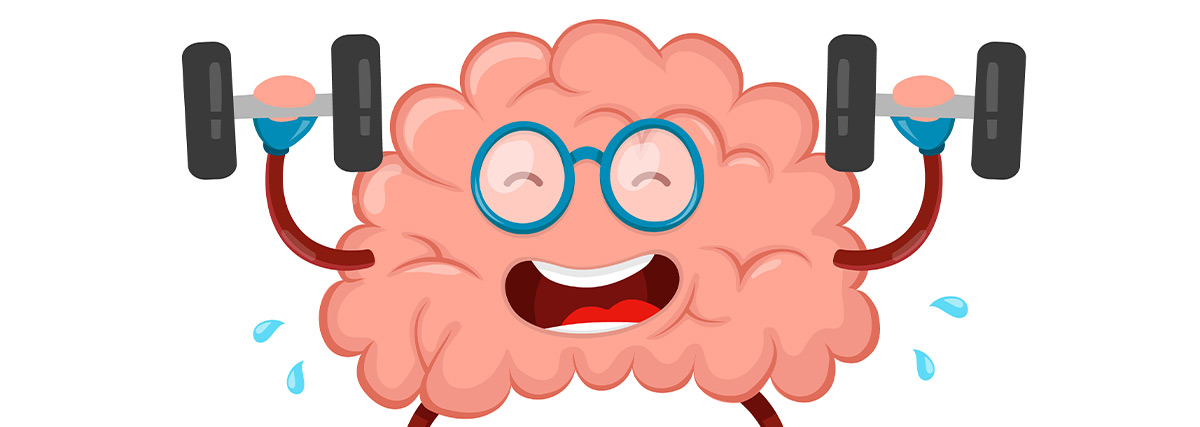
A Full-Body Workout for the Brain
Playing the piano is one of the most complex activities the brain can perform.
It requires the simultaneous coordination of both hands, reading multiple lines of music, listening critically, maintaining rhythm, and anticipating what comes next.
These tasks activate several areas of the brain at once, strengthening connections between them.
Regular piano practise encourages the brain to become more efficient, improving overall mental processing and coordination.
Over time, this increased connectivity supports faster learning, sharper thinking, and improved problem-solving skills.
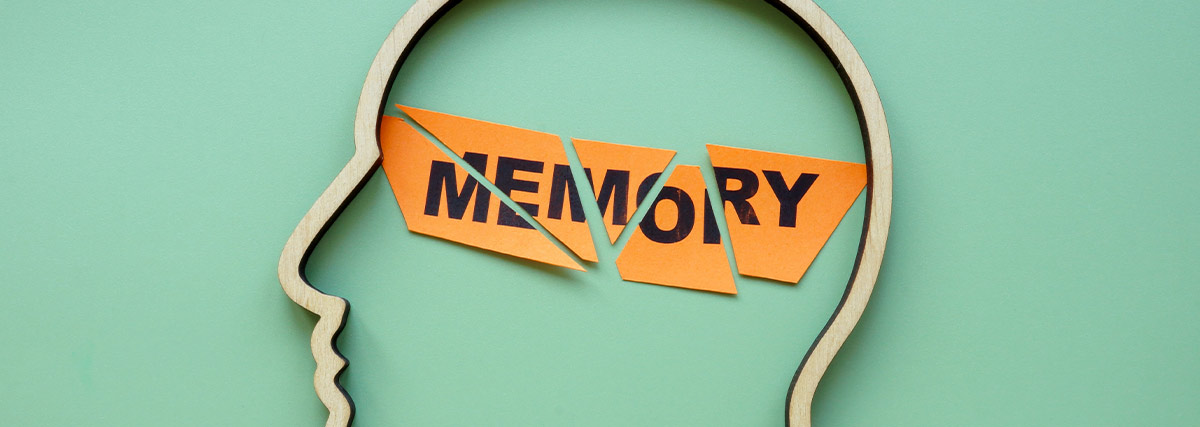
Improved Memory and Concentration
Piano learning has a direct impact on memory.
Students must remember notes, rhythms, fingerings, dynamics, and musical structures.
This constant engagement trains both short-term and long-term memory, skills that transfer naturally into academic, professional, and everyday life.
In addition, piano practise develops sustained concentration.
Sitting at the instrument and working through a piece demands focus and discipline.
As students progress, they often find it easier to concentrate for longer periods, remain attentive under pressure, and manage complex tasks more calmly.

Strengthening Language and Mathematical Skills
Research has consistently shown a link between music education and enhanced language abilities.
Learning piano improves auditory processing, helping the brain recognise patterns, pitch, and timing.
These skills are closely connected to reading comprehension, pronunciation, and verbal memory.
Piano study also supports mathematical thinking.
Rhythm, timing, note values, and musical form all rely on counting, proportions, and logical sequencing.
For younger learners in particular, these skills can reinforce mathematical understanding in a practical and engaging way.

Emotional Intelligence and Wellbeing
Music is deeply connected to emotion, and the piano offers a powerful outlet for self-expression.
Learning to play allows students to explore and communicate feelings in a constructive and creative way.
This can be especially beneficial for managing stress, anxiety, and emotional pressure.
Regular piano practise has been shown to lower stress levels and promote relaxation.
Many students describe their time at the piano as a mental reset which is a space to slow down, focus inward, and reconnect with themselves.

Building Confidence and Resilience
Progress at the piano is gradual and rewarding.
Each new skill mastered, each piece learned, builds confidence.
Students learn that improvement comes through consistency and patience, fostering resilience and a healthy approach to challenges.
Performance opportunities, whether informal or on stage, further develop self-assurance, presentation skills, and emotional control.
These experiences translate into greater confidence in social, academic, and professional settings.

Long-Term Brain Health
Piano learning is beneficial at any age, but it is particularly valuable for long-term cognitive health.
Studies suggest that engaging in complex musical activities can help maintain brain function and may reduce the risk of age-related cognitive decline.
For adults and older learners, piano study keeps the brain active, adaptable, and engaged.
It encourages lifelong learning, mental flexibility, and a strong sense of personal achievement.

In Summary
Learning the piano is an investment in the mind as much as it is in music.
It enhances memory, focus, emotional awareness, and cognitive strength of all which support success and wellbeing throughout life.
Learning the piano is far more than acquiring a musical skill.
It is a powerful way to stimulate the brain, strengthen cognitive abilities, and support emotional wellbeing at every stage of life.
From improved memory and concentration to greater resilience and creativity, the benefits extend well beyond the keyboard.
Whether taken up in childhood or later in life, piano learning encourages lifelong mental growth and adaptability.
It challenges the brain, nurtures emotional expression, and provides a meaningful sense of achievement.
In a world that moves increasingly fast, the piano offers a rare combination of focus, creativity, and lasting mental enrichment.
Related Articles:

RELATED POSTS