
October 21, 2026
About the Author: S&C Music

A powerful chord can look almost effortless in the hands of an experienced pianist. Yet a beginner may struggle to produce the same sound, even while pressing harder.
It is natural to assume that stronger fingers are the answer.
But piano technique involves much more than the fingers alone.
The arm, wrist and hand work together, adjusting constantly to the demands of the music.
Understanding arm weight vs finger strength in piano playing can help you approach the keyboard with greater confidence.
It can also explain why more effort does not always produce better results.
What Does Arm Weight Mean in Piano Playing?
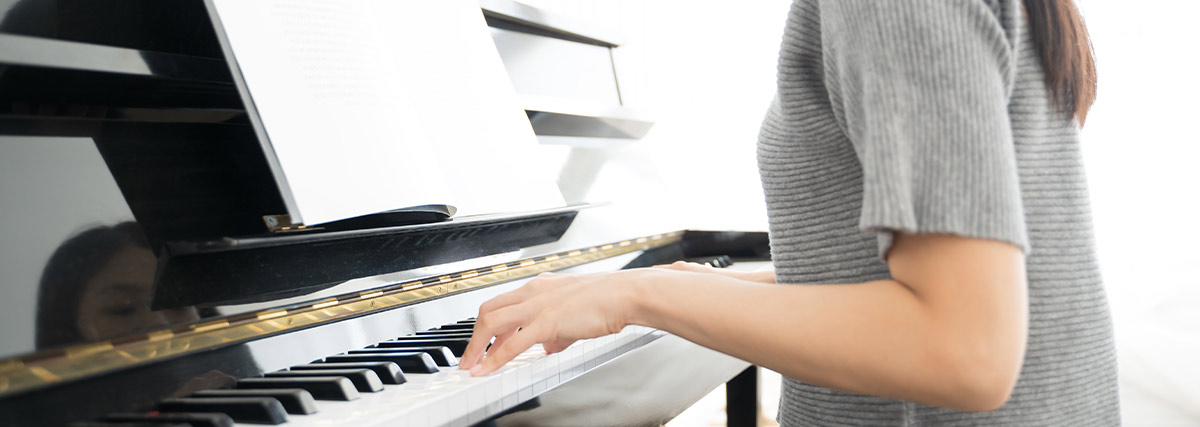
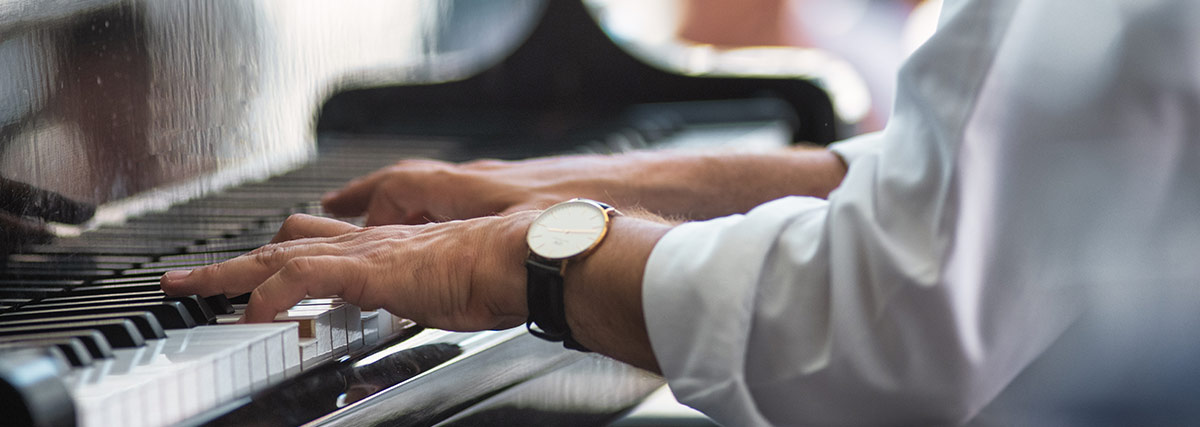
Arm weight describes how pianists use the weight of the arm to help depress the keys.
Instead of asking the fingers to supply all the effort, the player coordinates the arm with a responsive hand and wrist.
This requires control.
Simply dropping a heavy arm onto the keyboard is unlikely to produce a well-shaped phrase.
Imagine playing a slow chord.
Your fingers are already resting on the keys.
As you play, a small, coordinated movement of the arm helps carry the hand into the keyboard.
The fingers provide support, while the wrist remains adaptable.
The sensation should be of connected movement.
Your shoulders need not rise, and your hand should not feel as though it is forcing its way through the keys.
Arm weight is therefore a useful teaching concept, but it does not mean allowing the entire arm to become passive.
Muscles still guide the movement and regulate how much weight reaches the keyboard.
Do Pianists Need Strong Fingers?
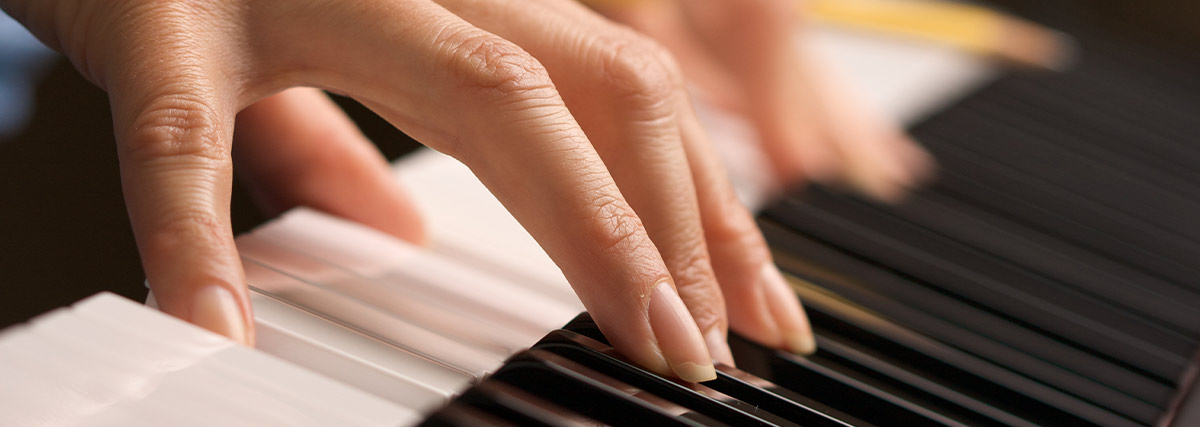
The fingers need enough strength and stability to play reliably.
However, what students describe as “weak fingers” is often a difficulty with coordination, positioning or timing.
Consider a scale that becomes uneven whenever the fourth finger plays.
The temptation is to lift that finger higher and strike harder.
Yet the problem may come from an awkward thumb movement, a fixed wrist or a hand that has not moved into a comfortable position.
Good finger technique includes precise contact with the keys, controlled movement and the ability to release unnecessary effort.
It also involves allowing the hand and arm to follow the passage.
The fingers are not completely independent mechanisms.
Trying to make every finger move with identical freedom can create more effort than the music requires.
For most learners, developing finger control through thoughtful playing is more useful than treating piano practice as a strength workout.
Why Arm Weight and Finger Control Belong Together
The phrase “arm weight vs finger strength” suggests a choice between two competing methods.
In practice, both contribute to playing.
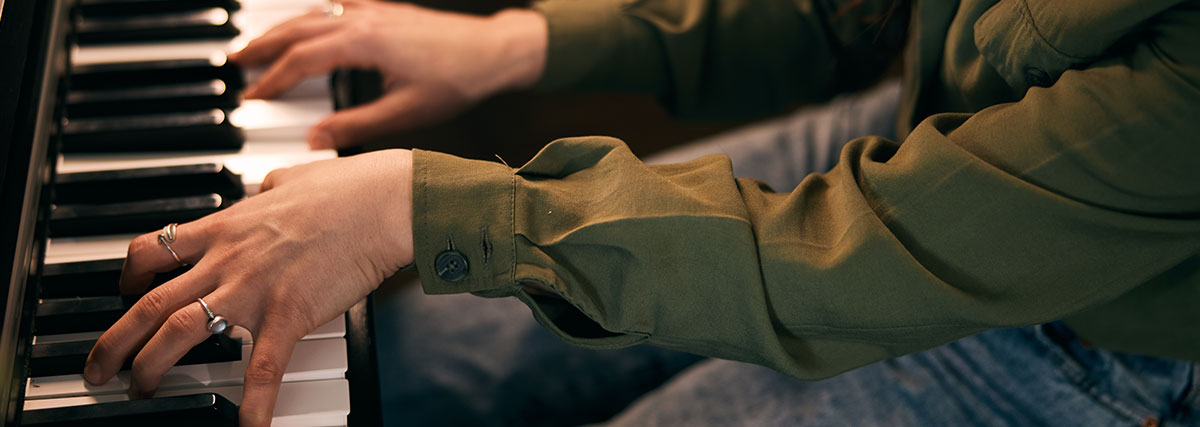
The arm helps position and support the hand.
The fingers make detailed adjustments to individual notes.
The wrist allows the connection between them to remain flexible.
Their relative contribution changes with the passage.
A broad chord may involve a coordinated arm movement.
A delicate ornament may require very small finger movements, supported by subtle adjustments elsewhere.
Neither passage benefits from a rigid arm or an unsupported hand.
Teaching approaches vary, and teachers may describe these sensations differently.
What matters is whether the movement produces the intended sound with manageable effort.
How This Affects Your Sound
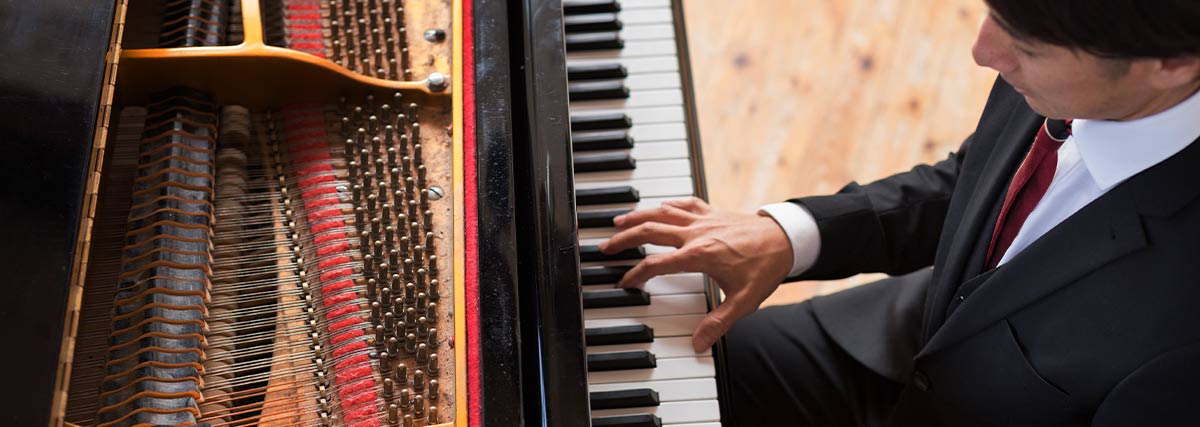
On an acoustic piano, the speed of the hammer as it strikes the string strongly influences the loudness of the note.
Your movement at the key helps determine that speed.
Once the hammer has struck, pressing harder into the bottom of the key will not make that note louder.
You still need to hold the key when the music requires it, but extra pressure adds effort without increasing the sound.
This distinction is especially useful in expressive playing.
Suppose the right hand has a melody above a quiet accompaniment.
Giving the whole hand more weight may make everything louder.
Bringing out the melody requires finer control: the melody note needs a different emphasis from the accompanying notes.
That is where coordination becomes musical.
You are learning to direct movement towards the sound you want to hear.
Common Misunderstandings About Piano Technique
“Relaxed” Means Completely Loose
A completely limp hand cannot guide the keys accurately.
Pianists need muscular activity to support and move the fingers.
The aim is to use the activity the passage requires while avoiding unnecessary stiffness.
A supported hand and a supple wrist can exist together.
Louder Playing Requires More Force Everywhere
A loud passage does not require every part of the upper body to tighten.
Raised shoulders, a clenched jaw and a fixed wrist do little to improve musical control.
Before adding effort, consider the movement, the fingering and the sound you are trying to achieve.
Fast Playing Is Mainly About Stronger Fingers
Speed depends on accurate timing, efficient movement and preparation.
Large finger lifts and exaggerated arm movements can make a passage harder to coordinate.
Slow practice gives you time to notice where the movement becomes awkward.
It is an opportunity to solve the problem before asking your hands to move faster.
A Simple Way to Explore the Difference
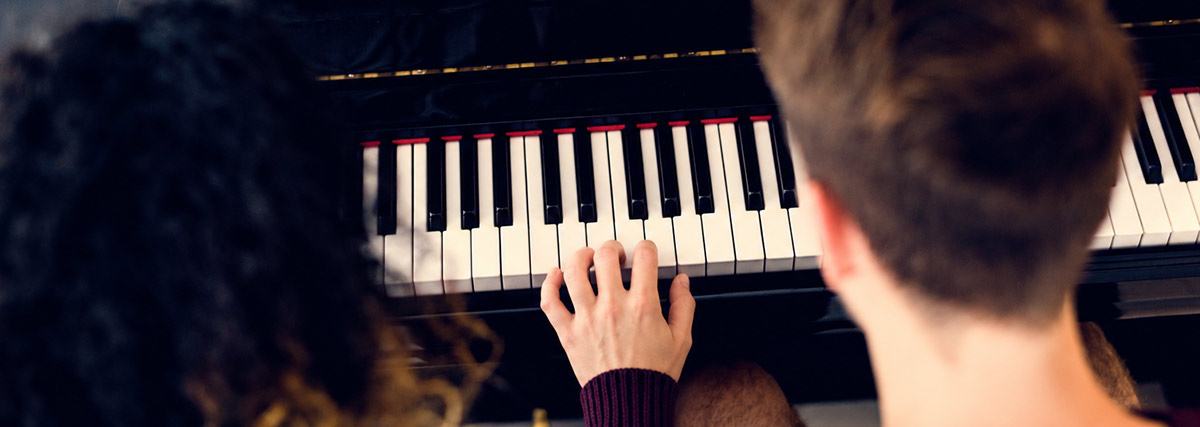
Choose one comfortable key near the middle of the piano.
Rest a finger on it, keeping your shoulder at ease and your wrist in a comfortable position.
Play a quiet note with a small movement.
Listen, release the key and pause.
Next, play a slightly fuller note.
Allow a modest arm movement to assist the finger, keeping the movement controlled.
Avoid lifting the arm high or dropping onto the keyboard.
Compare the two attempts. Could you hear a difference?
Did the fuller note require you to tighten your shoulder?
Were you still pushing after the sound had begun?
The purpose is to notice how movement affects sound.
A teacher can help you distinguish useful support from unnecessary pressure.
Keep the experiment brief. Stop if it feels uncomfortable.
Apply the Idea to a Piece You Know
Choose a short, familiar phrase rather than a demanding exercise.
Play slowly enough to listen closely.
Notice whether your arm follows your hand as the notes move along the keyboard.
Check whether your wrist becomes fixed before a chord.
After a longer note begins, consider whether you can reduce excess pressure while continuing to hold the key.
Then return to the musical question: does the phrase sound the way you intended?
Physical awareness is helpful when it serves the music.
Constantly monitoring every joint can become distracting, so work on one adjustment at a time.
Develop a More Comfortable Piano Technique
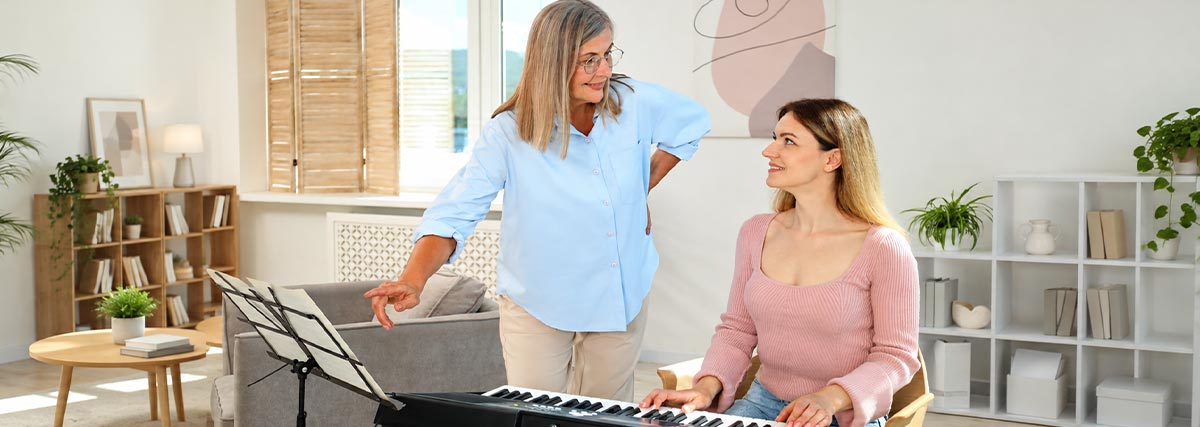
At S&C Piano, our piano lessons in Dubai give adult learners the opportunity to explore technique through the music they enjoy.
A teacher can observe details that are difficult to assess alone, from your seating position to the way your arm supports a particular passage.
Individual guidance helps turn a vague instruction such as “use more weight” into a movement you can understand and practise.
The reward is greater freedom at the keyboard: a melody that carries, an accompaniment that stays gentle, or a chord that sounds full without feeling forced.
Your fingers have an essential role. So do your arms.
Learning how they work together gives you more control over both the instrument and your musical expression.

RELATED POSTS